HR Skills of the Future: What Every Professional Needs in 2026
 HR is no longer a back-office function that processes paperwork and schedules interviews. It has become one of the most strategic departments in any organization and that shift demands a new set of hr professional skills. If you're wondering what hr skills of the future will actually look like, the answer isn't just "more tech." It's a blend of data fluency, emotional intelligence, and business judgment that most HR teams are still catching up to.
This guide breaks down exactly which skills matter most in 2026, why they matter, and how to start building them whether you're new to HR or leading a talent function at scale.
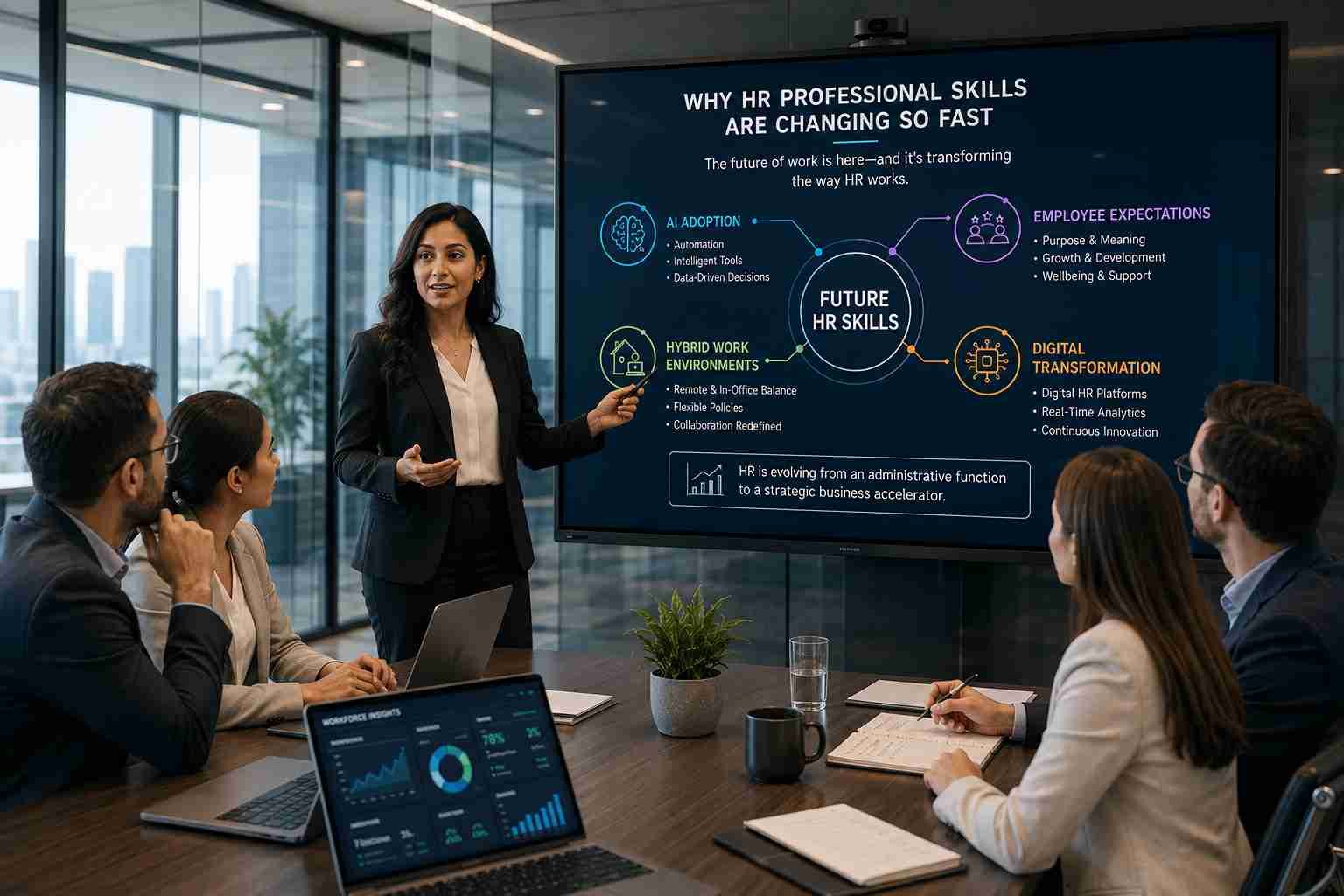
Why HR Professional Skills Are Changing So Fast
Three forces are reshaping HR at once: AI adoption, hybrid work environment expectations, and rising employee demands around well-being and fairness. Together, they mean HR professionals are now expected to interpret data, manage automated systems, and still show up as empathetic, trustworthy people-leaders.
This dual demand technical and human is exactly why hr skills of the future look so different from the HR job description of even five years ago.
1. HR Data Analytics: Making Decisions With Evidence, Not Instinct
HR data analytics is arguably the single biggest shift in modern HR practice. Instead of relying on gut feeling, HR teams now track measurable indicators to guide every major decision.
Core metrics every HR professional should know:
Time-to-hire how long it takes to fill an open role
Cost-per-hire the total spend per successful hire
Employee engagement scores a pulse check on morale and motivation
Retention rates how well the organization keeps its talent
Why it matters: A hiring manager who can say "our time-to-hire dropped by 30% after we changed our screening process" carries far more weight in a leadership meeting than one who says "hiring feels faster." Data turns HR from a support function into a credible business partner.
2. Strategic HR Management: Thinking Like a Business Leader
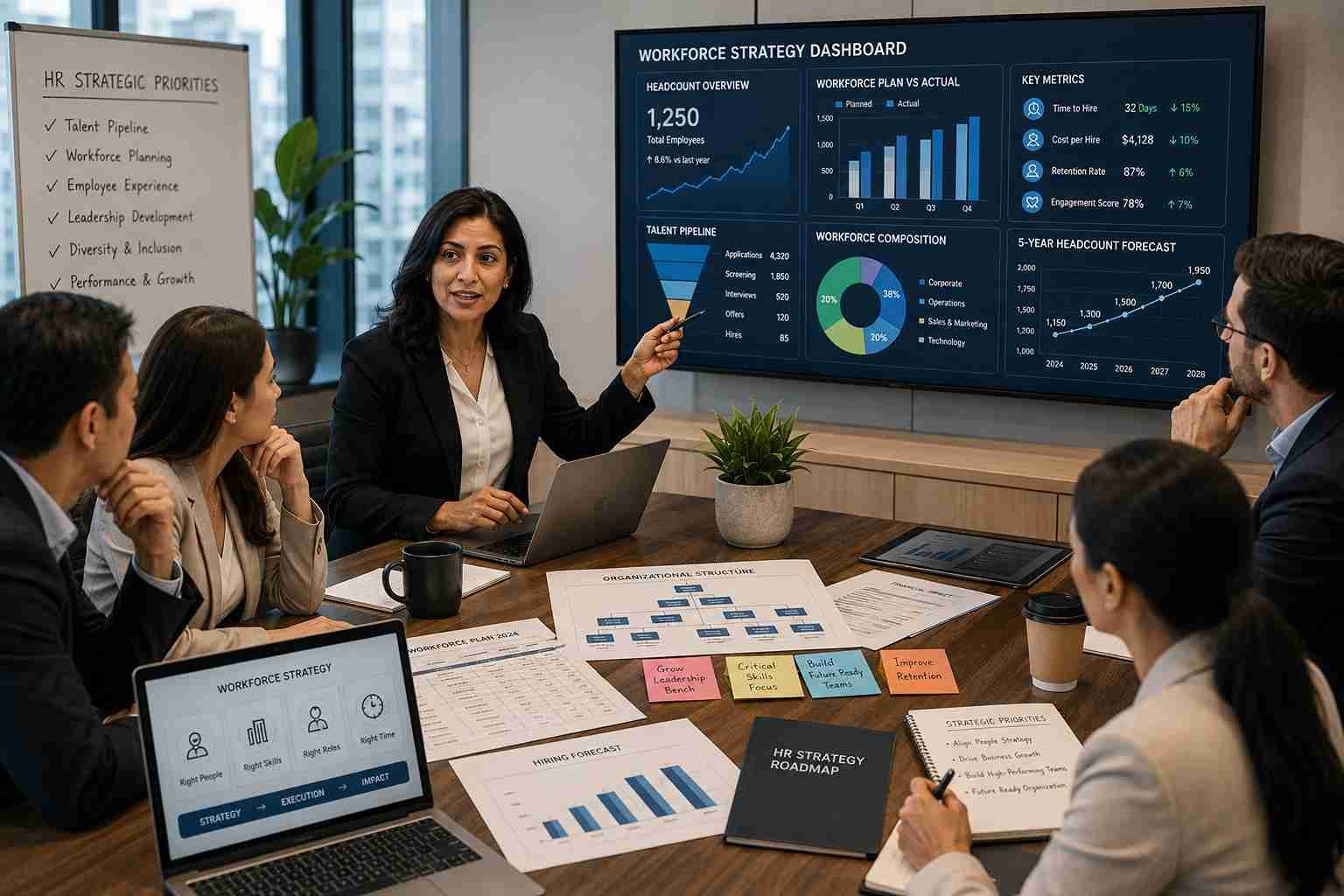 Strategic hr management means connecting workforce decisions directly to business outcomes growth, profitability, and competitive advantage.
This requires:
Business acumen: understanding how the company actually makes money
Financial basics for HR: reading budgets, headcount plans, and cost reports
Organizational growth: planning and anticipating staffing needs before they become urgent
An HR leader practising strong strategic HR management doesn't just fill open roles. They forecast which roles the business will need in 18 months and build the pipeline now.
3. HR Technology Fluency: HRIS, ATS, and LMS
Modern HR runs on software, and fluency with the right platforms is now a baseline expectation.
Human Resource Information Systems (HRIS) centralize employee records, payroll, and compliance data.
An applicant tracking system streamlines candidate sourcing, screening, and interview scheduling.
An HR learning management system delivers training, tracks certifications, and supports upskilling at scale.
Tool | Primary Function | Who Uses It Most |
HRIS | Employee data & payroll | HR ops, admins |
Applicant Tracking System | Recruitment & hiring | Talent acquisition teams |
HR Learning Management System | Training & development | L&D and people managers |
Professionals who can navigate these systems confidently rather than avoiding them are far better positioned as hr skills of the future continue to lean digital.
4. AI and Automation: HR Chatbots and Beyond
AI is already embedded in daily HR workflows. HR chatbots now handle routine employee questions leave balances, benefits enrollment, policy lookups freeing HR staff for higher-value work.
But AI fluency also means recognizing risk. Automated screening tools can unintentionally introduce unconscious bias if left unchecked. Strong HR professionals audit AI tools regularly rather than trusting them blindly.
5. Emotional Intelligence and Active Listening
No dashboard can replace genuine human connection. Active listening remains one of the most underrated hr professional skills it's what allows HR to catch problems (burnout, conflict, disengagement) before they escalate into resignations or complaints.
Emotionally intelligent HR professionals:
Handle difficult conversations without becoming defensive
Read between the lines of an exit interview
Build genuine trust across departments
6. Diversity, Equity, Inclusion, and Belonging
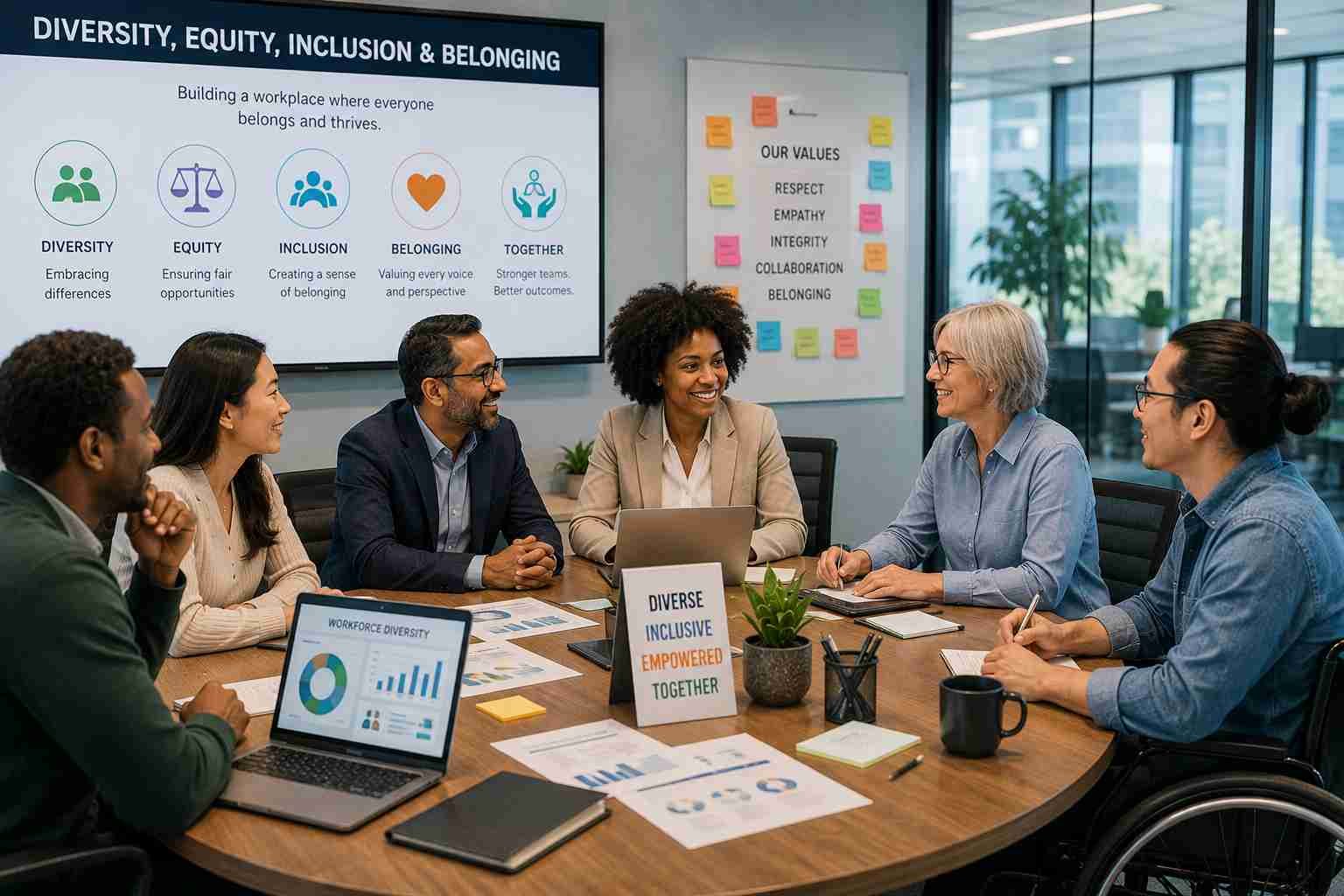 Inclusive workplaces aren't a compliance checkbox they are a competitive advantage. HR professionals now need working knowledge of:
Reducing unconscious bias in hiring and promotion decisions
Building belonging in the workplace through inclusive policies and practices
Supporting accessibility for employees with disabilities
7. Employee Well-Being and Mental Health Awareness
Well-being has moved from "nice to have" to a core HR responsibility. This includes:
Mental health awareness training for managers
Employee assistance programs for confidential support
Flexible work policies that accommodate different life circumstances
Organizations that invest here consistently see stronger retention rates and higher employee engagement scores proof that well-being and business performance move together, not against each other.
8. Communication and Negotiation
HR professionals negotiate constantly salary offers, vendor contracts, internal disputes. Strong negotiation skills, paired with clear written and verbal communication, are essential for navigating a hybrid work environment where misunderstandings happen more easily without in-person context.
9. Continuous Learning and Professional Networks
The half-life of HR knowledge is shrinking. Staying current means:
Actively following hr trends through credible industry sources
Participating in HR professional networks and conferences
Regularly updating skills through an hr learning management system, whether internally provided or self-directed
Direct Answer: What Are the Most Important HR Skills for 2026?
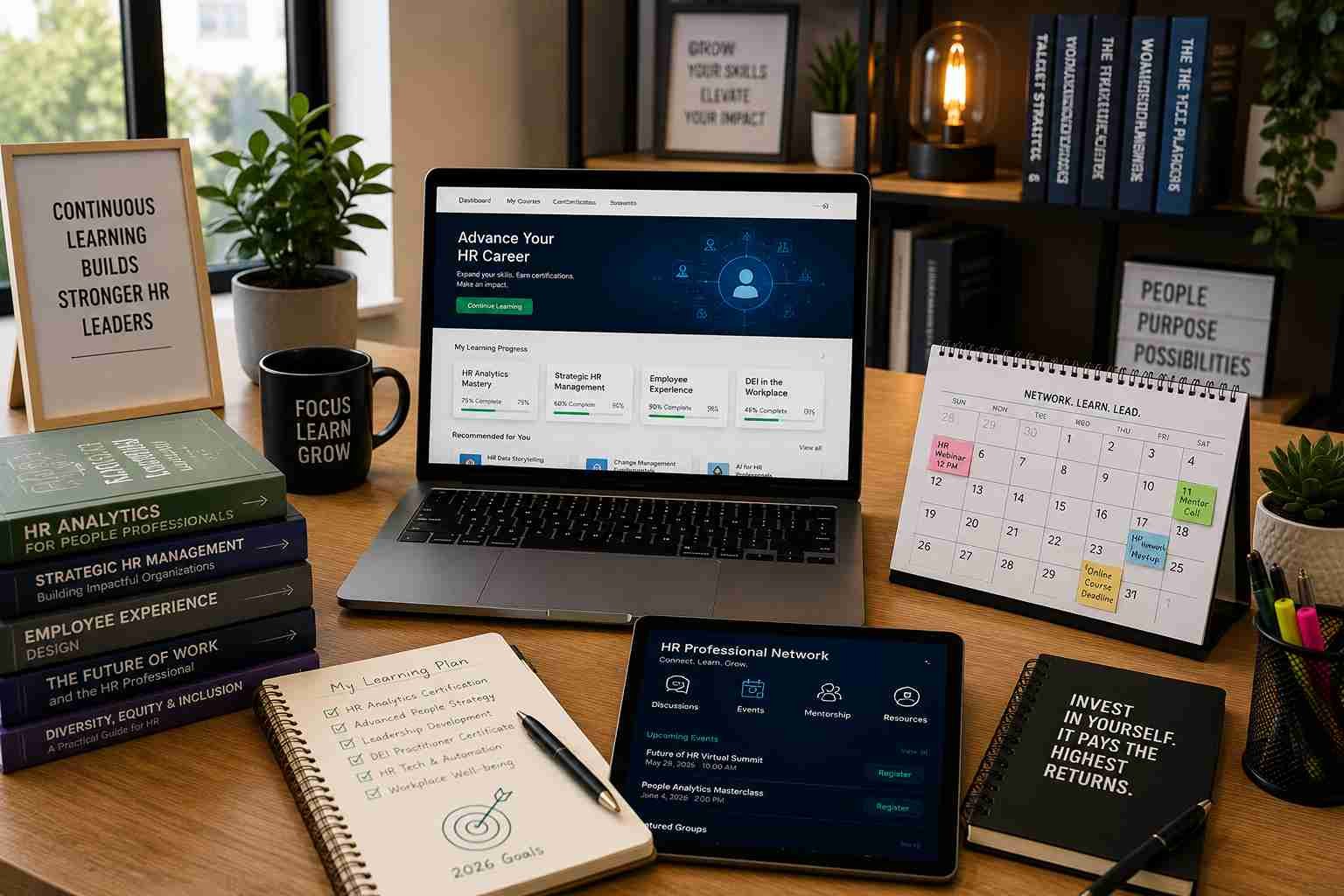 If you only take one thing from this article, it's this: the most important hr skills of the future are (1) HR data analytics, (2) strategic HR management, (3) AI and automation fluency, (4) emotional intelligence, and (5) DEI and well-being expertise. Together, these five areas define what separates an average HR professional from an indispensable one in 2026.
How to Start Building These Skills Today
Pick one metric (like time-to-hire or retention rates) and start tracking it consistently.
Get hands-on with your organization's HRIS or applicant tracking system don't just delegate it.
Join one HR professional network or community for ongoing learning.
Ask for feedback on a recent difficult conversation to sharpen active listening.
Review your hiring process for unconscious bias at least once a quarter.
FAQ Section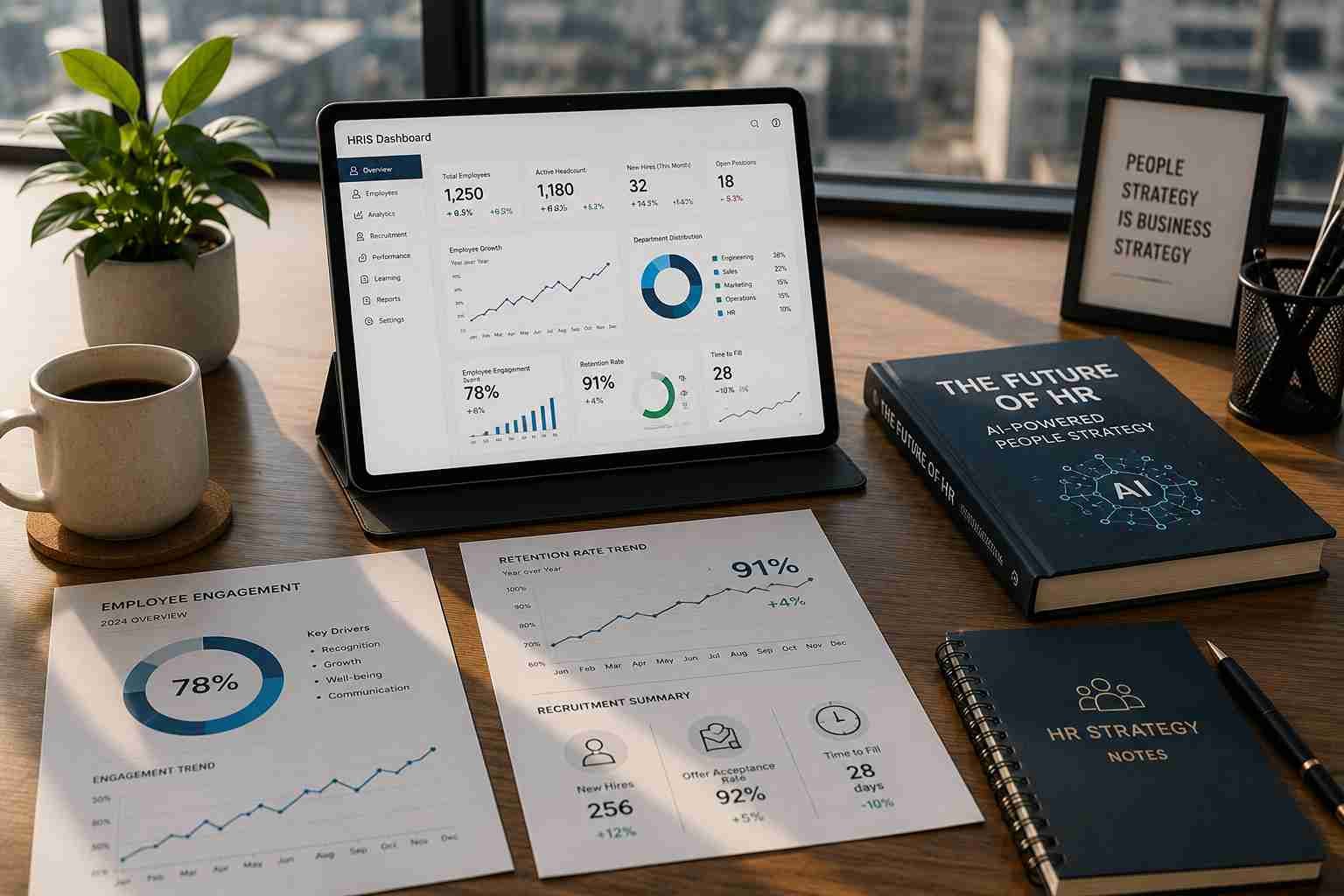
Q1: What are the top HR skills needed in 2026?
The top hr professional skills for 2026 include HR data analytics, strategic HR management, AI/automation fluency, emotional intelligence, and DEI expertise.
Q2: Do HR professionals need to learn coding or data science?
No coding is required. What matters is comfort reading dashboards and reports from HR data analytics tools not building them from scratch.
Q3: How is AI changing HR jobs?
AI is automating repetitive tasks like resume screening and answering routine questions through HR chatbots, allowing HR professionals to focus on strategy, culture, and complex employee issues.
Q4: What HR technology should I learn first?
Start with your organization's HRIS and applicant tracking system, since these are the systems most HR professionals interact with daily.
Q5: Why is emotional intelligence still important in a tech-driven HR field?
Because technology can't replace trust. Active listening and empathy remain essential for retention, conflict resolution, and employee well-being.
Q6: How can HR professionals stay updated on hr trends?
By following credible industry publications, joining HR professional networks, and completing ongoing training through an hr learning management system.
Q7: Is strategic HR management only for senior HR leaders?
No, understanding business acumen and financial basics for HR benefits professionals at every level, not just executives.
Conclusion
The future of HR belongs to professionals who can pair data with empathy and technology with judgment. Mastering hr skills of the future isn't about chasing every new tool it's about building a durable foundation in HR data analytics, strategic HR management, and human-centered leadership.
Start small: pick one skill from this list, commit to improving it this quarter, and track your progress. The HR professionals who invest in these hr professional skills now will be the ones leading not following the workplace of tomorrow.
The Future of Work: How HR Strategies Are Changing in 2026
The Future of Human Resources: Top HR Trends 2026
Employee Retention Strategies in Modern Workplaces 2026
Recruitment in 2026: The Major Shift Toward a Human-Centric Talent Strategy