The Future of Human Resources: Top HR Trends Shaping the Workplace in 2026
 The future of human resources is no longer just about hiring and payroll it's about strategy, technology, and people working together. In 2026, HR has become one of the most influential functions inside any organization, directly shaping business growth, workplace culture, and long-term employee retention.
This shift didn't happen overnight. Rapid advances in AI, changing employee expectations, and the rise of remote work have pushed HR teams to rethink how they operate. Companies that understand where the future of human resources is heading will be better positioned to attract talent, retain top performers, and build resilient organizations.
Below, we break down the nine biggest trends defining HR this year and what they mean for your organization.
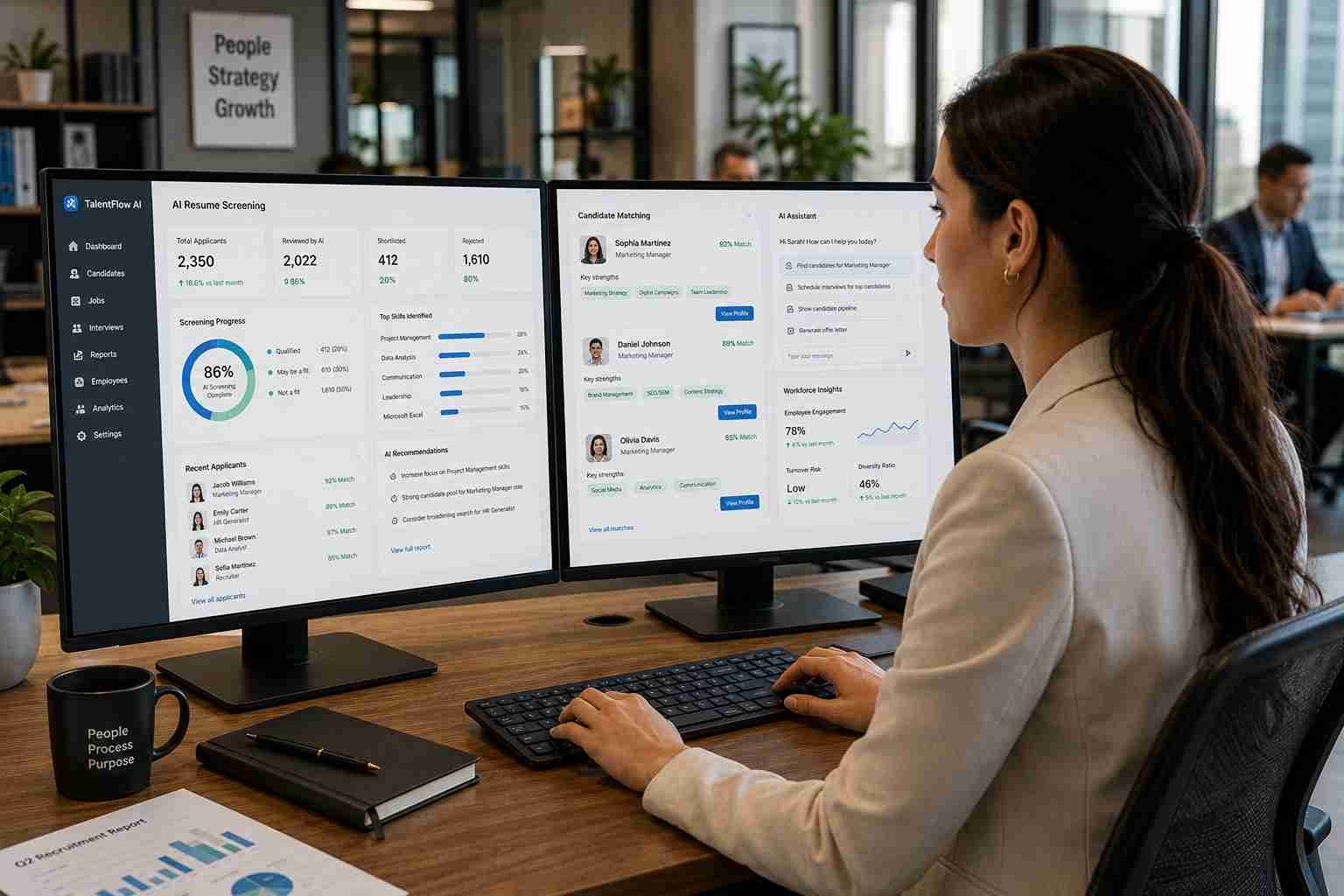
1. Artificial Intelligence Is Redefining HR Operations Artificial intelligence in human resource management has moved from experimental to essential. HR teams now use AI-powered tools for:
Automated resume screening
Candidate matching
Workforce planning
HR chatbots and virtual assistants
Employee engagement analysis
Rather than replacing HR professionals, artificial intelligence in human resource management acts as a support layer handling repetitive tasks so people teams can focus on strategy, leadership development, and culture-building.
Practical example: A mid-sized company using automated resume screening can cut initial candidate review time by more than half, freeing recruiters to focus on interviews and candidate experience instead of manual sorting.
2. Employee Experience Becomes a Core Business Priority
Employee experience now covers every touchpoint a person has with a company, from the onboarding process to daily communication to exit interviews.
Organizations investing in employee experience typically focus on:
Workplace culture
Employee recognition
Career development
Transparent internal communication
Employees today expect more than a paycheck. They want purpose, flexibility, and visible paths for growth. Companies that treat employee experience as a strategic priority, not an HR checkbox, consistently see stronger employee engagement and lower turnover.
3. The Hybrid Work Model Is the New Standard
The hybrid work model is not a temporary fix anymore it's the expected default for many industries. In 2026, organizations are refining hybrid work model policies rather than debating whether to offer them.
Benefits of a well-structured hybrid work model:
Benefit | Impact on Business |
Improved employee satisfaction | Higher retention rates |
Access to global talent | Broader, more diverse talent acquisition |
Better work-life balance | Reduced burnout and turnover |
Increased flexibility | Higher productivity across time zones |
The main challenge with a hybrid work model is preserving workplace culture across distributed teams. Successful companies solve this with intentional communication rhythms and digital collaboration tools rather than leaving culture to chance.
4. Skills-Based Hiring Is Replacing Degree Requirements
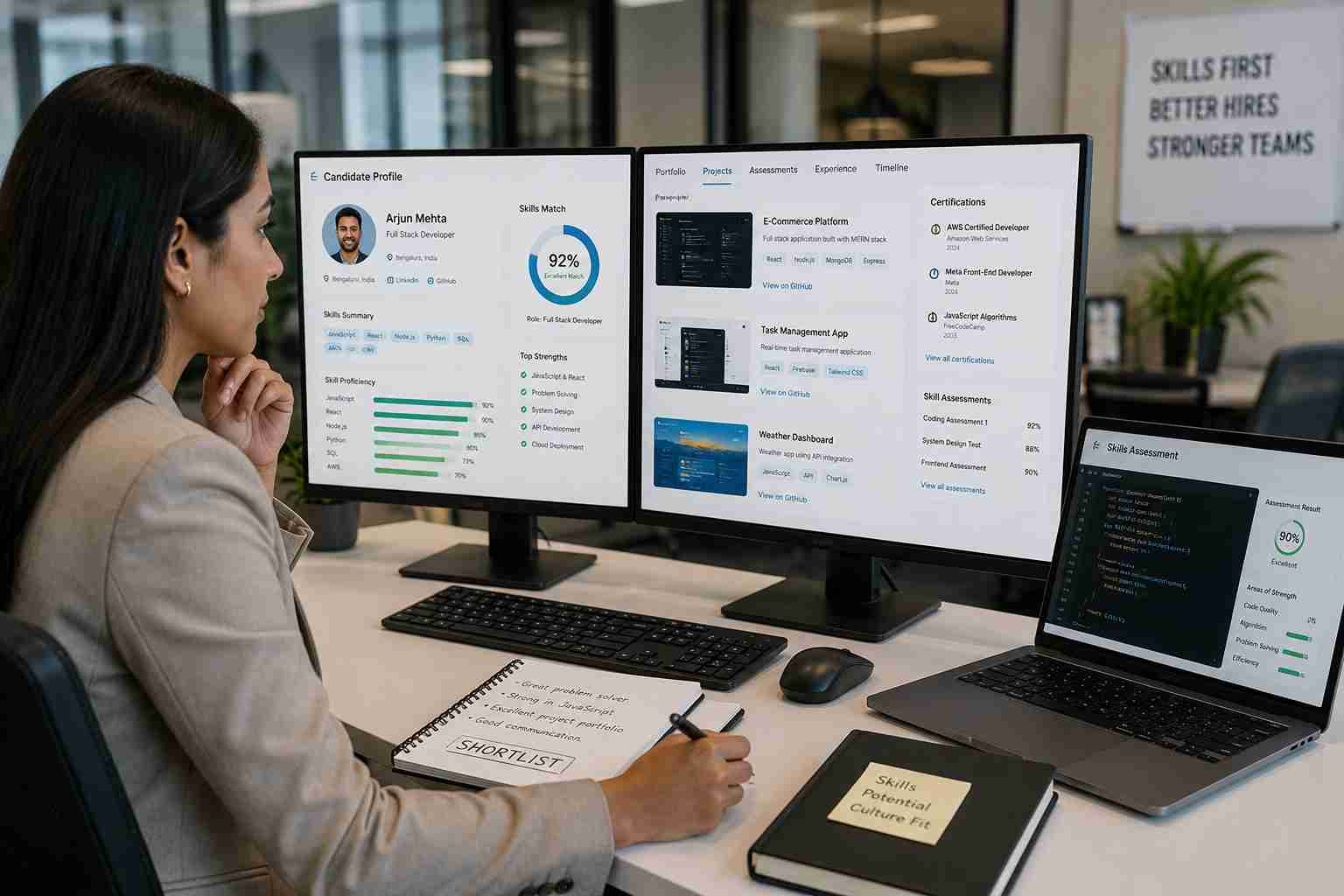 Skills-based hiring evaluates what candidates can actually do, not just what degree they hold. This approach has grown rapidly because it widens the talent pool and improves job-fit accuracy.
Skills-based hiring typically prioritizes:
Practical, demonstrable experience
Technical and problem-solving ability
Portfolio or project-based proof of skill
Adaptability and willingness to learn
For talent acquisition teams, skills-based hiring often means faster, more accurate hiring decisions and access to candidates who might have been filtered out by degree requirements alone.
5. HR Analytics Powers Smarter Decisions
HR analytics has turned people management into a data-driven discipline. Instead of relying on gut instinct, HR teams now use HR analytics to track:
Employee engagement levels
Employee turnover patterns
Hiring effectiveness
Workforce planning needs
One of the most valuable applications of HR analytics is predictive analytics identifying early warning signs of disengagement or flight risk before an employee resigns. This shifts HR from reactive damage control to proactive workforce management, a defining feature of the future of human resources.
6. Employee Well-Being Moves to Center Stage
Well-being is no longer a "nice-to-have" benefit it's tied directly to productivity and employee retention. In 2026, leading organizations invest in:
Mental health support programs
Flexible scheduling tied to the hybrid work model
Stress management resources
Preventive wellness initiatives
Companies that ignore well-being tend to see it show up elsewhere: higher employee turnover, lower engagement, and weaker employer branding in the job market.
7. Reskilling and Upskilling Become a Business Necessity
Technology is evolving faster than most job descriptions. That's why reskilling and upskilling have become central to workforce planning rather than optional training perks.
Organizations serious about reskilling and upskilling typically offer:
Structured digital learning platforms
Leadership development tracks
Skill-specific certification programs
Internal mobility pathways
Employees who continuously build new skills through reskilling and upskilling programs are more valuable internally and less likely to look elsewhere for growth opportunities.