 Recruitment Strategies: A Practical Guide to Finding and Hiring the Right Talent
Finding great employees rarely happens by accident. The organizations that consistently make the right hire treat recruitment as a system, not a scramble. This guide walks through practical recruitment strategies you can apply at every stage of the recruitment process from defining the role to tracking results so your team spends less time chasing applicants and more time hiring people who actually fit.
Why Recruitment Strategies Matter More Than Ever
Posting a job and waiting for resumes to arrive is no longer enough. Competitive talent markets, remote work expectations, and candidate research habits mean businesses need a deliberate recruitment process built on multiple channels, clear communication, and consistent evaluation. A strong set of recruitment strategies helps organizations:
Reduce time to hire
Cut unnecessary hiring delays
Improve candidate experience
Build a stronger, more reliable talent pipeline
Step 1: Clearly Define the Hiring Requirement
Before recruiters search for a single resume, the hiring manager and recruitment team should agree on exactly what the role requires. Vague requirements are one of the most common reasons a recruitment process drags on.
A clear requirement should cover:
Job title and responsibilities
Required qualifications and experience
Technical and soft skills
Work-from-office, hybrid, or remote model
Salary range and benefits
Notice period expectations
Career growth opportunities
Expert insight: In our experience, roles with vague or overly broad requirements attract the highest volume of unqualified applications wasting recruiter time before screening even begins. A tightly scoped requirement upfront pays off at every later stage.
Step 2: Write a Job Description That Actually Works
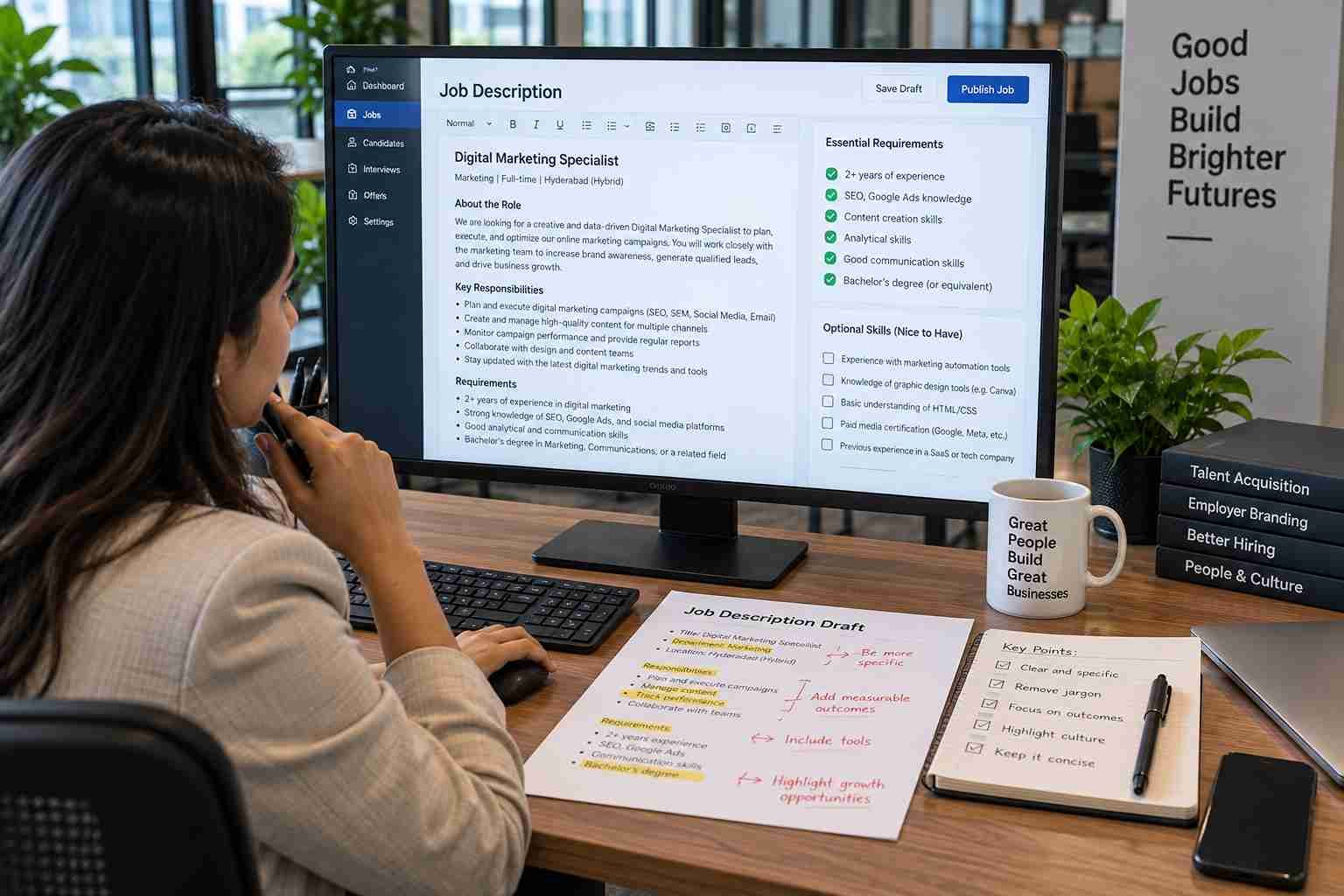 A job description is often a candidate's first impression of your company, so it needs to be accurate and specific rather than generic. Include the role, responsibilities, required skills, qualifications, location, and working model and resist the temptation to pad it with unrelated "nice to haves." A realistic job description filters out mismatched applicants before they ever apply, which directly supports the goal of finding the right hire.
Step 3: Use Multiple Recruitment Channels
Relying on a single source limits both the volume and diversity of your applicant pool. Effective recruitment channels typically include:
LinkedIn recruitment and other professional networks
Job portals
Company career pages
Employee referrals
Recruitment agencies
Campus recruitment for entry-level roles
Networking events and industry-specific platforms
Different channels perform differently by role type. LinkedIn recruitment tends to work well for experienced professionals, while campus recruitment is more effective for entry-level talent. Tracking which recruitment channels produce your best hires helps you allocate future effort more efficiently.
Step 4: Build a Structured Candidate Sourcing Process
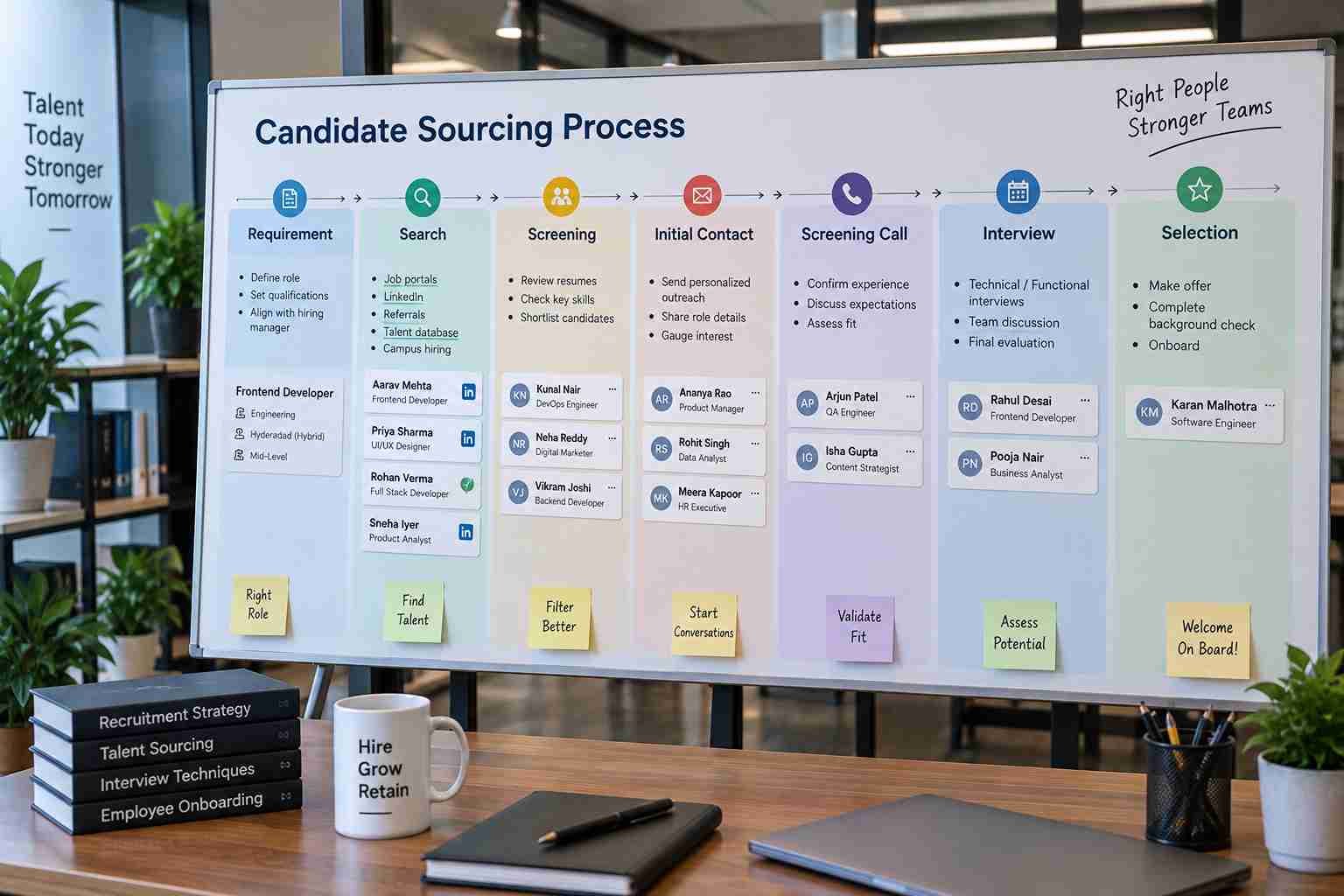 Candidate sourcing means actively searching for talent rather than waiting for inbound applications. A structured approach typically follows this flow:
Requirement → Candidate Search → Profile Screening → Initial Contact → Screening Call → Interview → Selection
Maintaining a searchable database of past candidates organized by skills, industry, and experience means recruiters aren't starting from zero every time a new role opens.
Step 5: Screen Candidates Effectively
Candidate screening filters applicants before they reach the interview stage, saving time for both recruiters and hiring managers. A solid screening call typically confirms:
Relevant work experience and skills
Communication ability
Current location
Salary expectations
Notice period
Genuine interest in the role
A consistent candidate screening process using the same core questions for every applicant makes it easier to compare candidates fairly.
Step 6: Conduct Structured Interviews
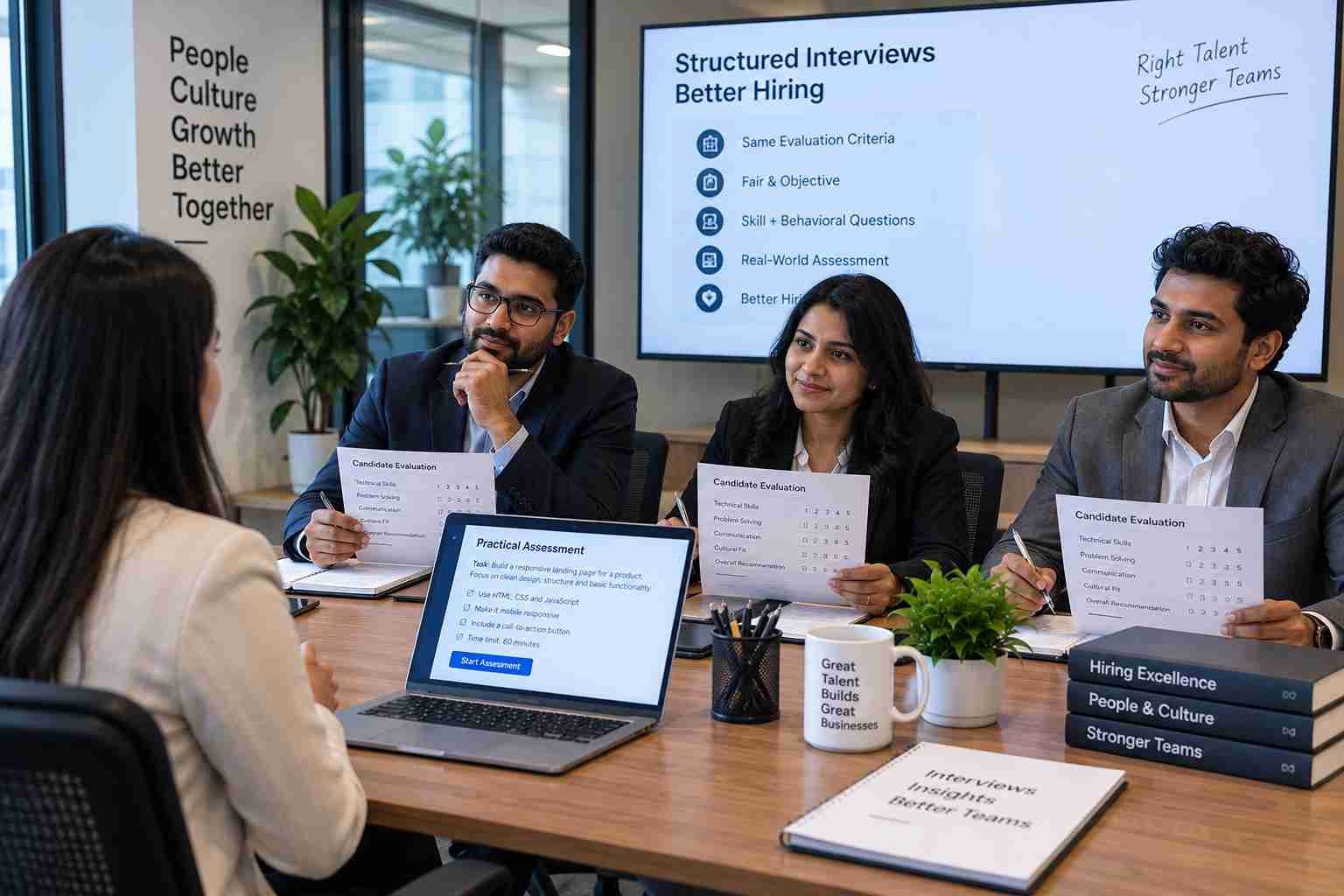 Structured interviews give hiring teams a consistent way to evaluate every candidate against the same criteria, rather than relying on gut feeling. A typical structure:
Introduction → Experience Discussion → Skill-Based Questions → Situational Questions → Candidate Questions → Next Steps
For technical roles, adding a short practical assessment alongside skill-based questions gives a clearer signal of real-world ability than conversation alone.
Step 7: Prioritize Candidate Experience
Recruitment runs both ways while your team evaluates candidates, candidates are also evaluating your company. A positive candidate experience comes from:
Clear, timely communication
Professional, respectful interviews
Accurate job information
Feedback, even for rejected candidates
Poor candidate experience doesn't just cost you one hire word travels, and it can quietly damage your ability to attract talent in the future.
Step 8: Use Recruitment Technology Wisely
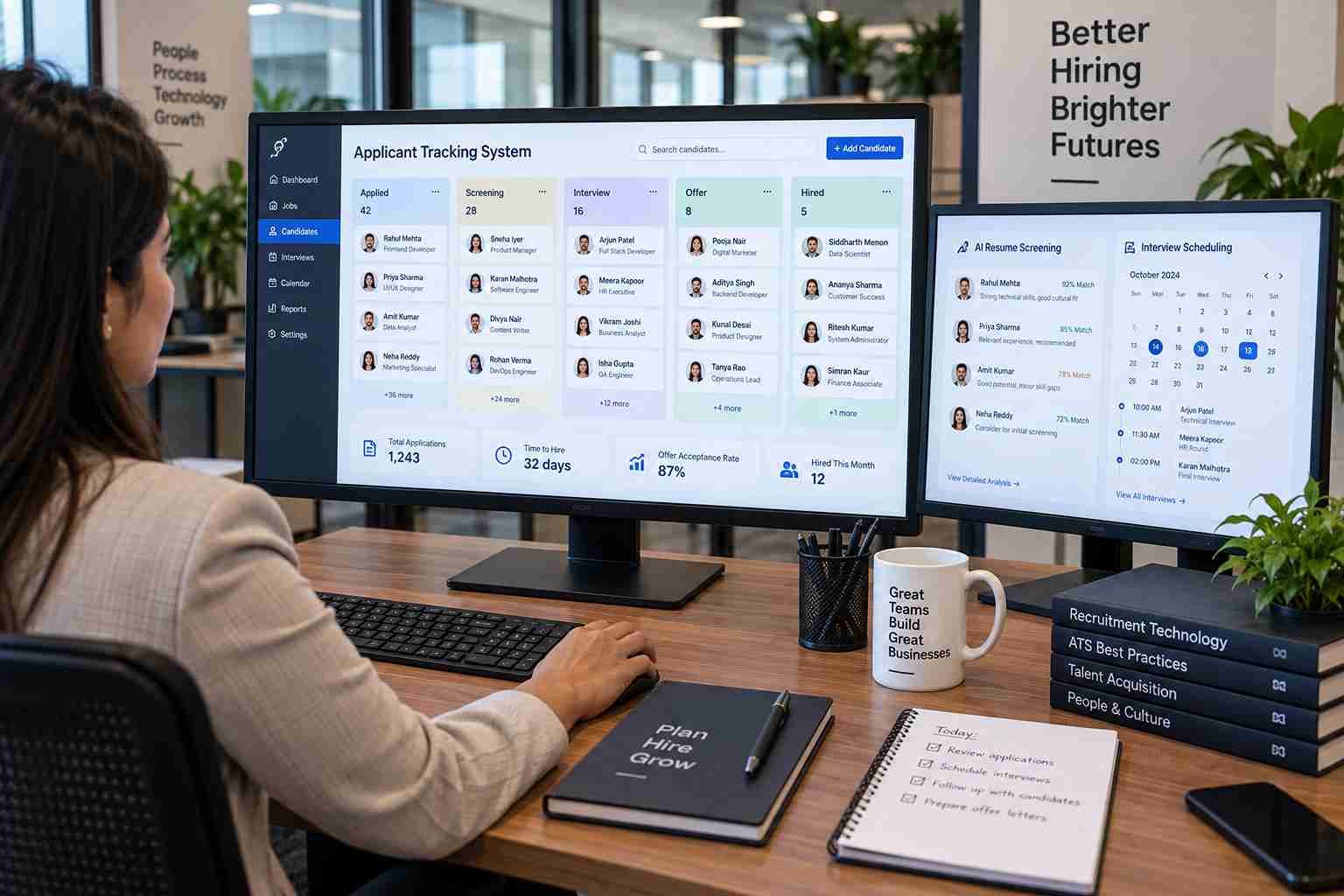 Recruitment technology particularly an Applicant Tracking System (ATS) helps organize applications, schedule interviews, and track candidates through each stage. Other tools support resume screening and candidate communication at scale.
Artificial intelligence in recruitment can speed up repetitive tasks like initial resume screening, but it should support not replace human judgment. Final hiring decisions still require a person to weigh context, culture fit, and nuance that automated tools can't fully capture.
Step 9: Strengthen Your Employee Referral Program
An employee referral program taps into a resource most companies underuse: their own team's professional networks. Existing employees understand your culture and can often recommend qualified people who aren't actively browsing job portals.
To get real value from an employee referral program, keep the process simple: communicate open roles clearly, explain how referrals work, and offer recognition or incentives consistent with company policy.
Step 10: Build and Maintain a Talent Pool
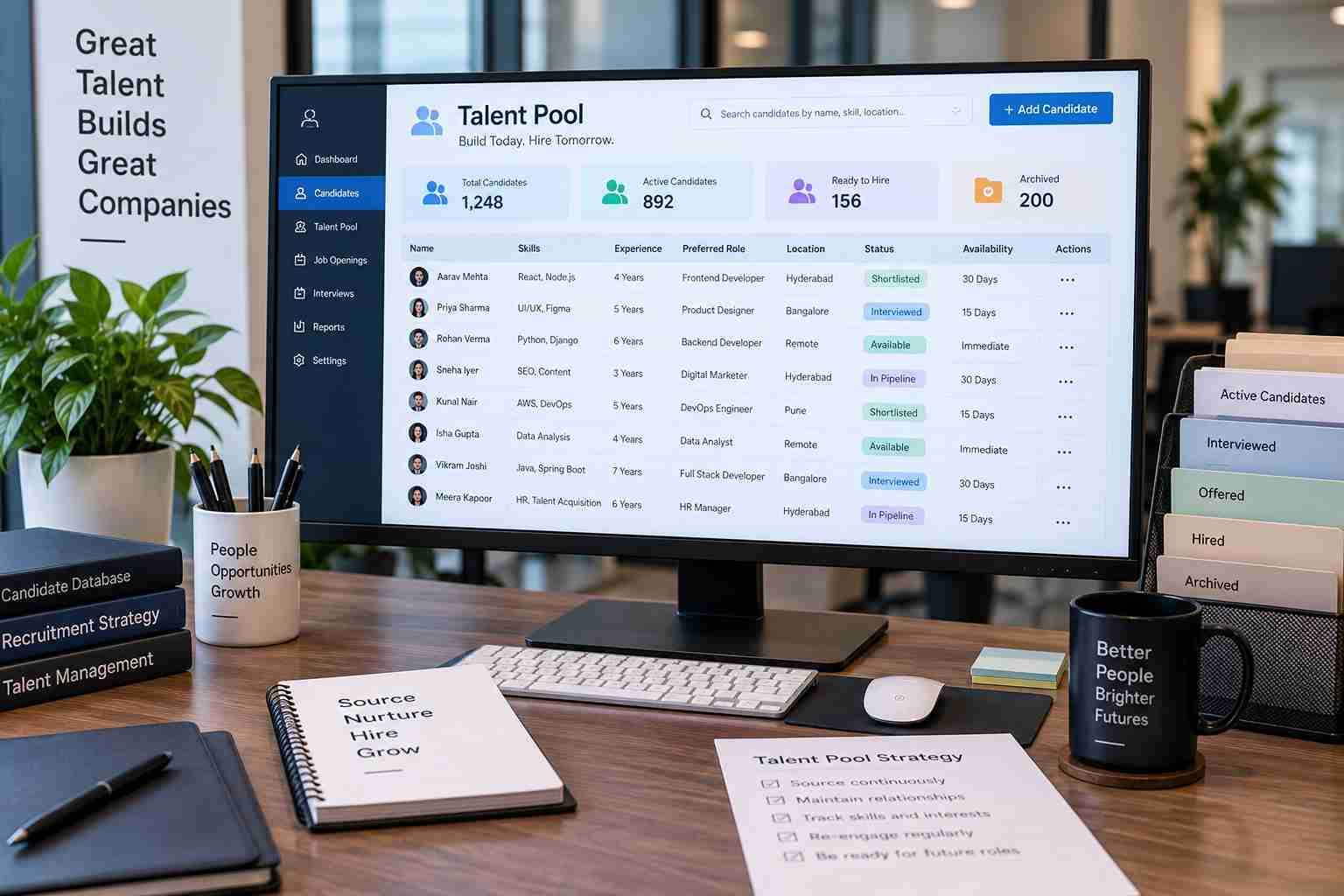 A talent pool means recruitment doesn't always start from scratch. A candidate who wasn't right for one role might be the ideal fit for another six months later.
A useful talent pool record includes:
Candidate name, skills, and experience
Preferred position and location
Interview status and availability
Notes from previous communication
Step 11: Track Recruitment Metrics and Performance
You can't improve what you don't measure. Key recruitment metrics to monitor include:
Metric | What It Tells You |
Time to hire | How long it takes to fill a role |
Cost per hire | Total spend per successful hire |
Interview-to-selection ratio | Interview quality and screening accuracy |
Offer acceptance rate | How competitive your offers are |
Candidate drop-off rate | Where candidates disengage in the process |
New-hire retention | Whether hires are the right long-term fit |
Reviewing recruitment performance regularly helps you identify which channels, screening methods, or interview formats consistently lead to the right hire and which ones need adjustment.
Step 12: Continuously Improve the Process
Candidate expectations, job market conditions, and available technology all shift over time. Periodically reviewing your sourcing methods, screening steps, and interview structure and acting on feedback from candidates and hiring managers keeps your recruitment process effective rather than outdated.
Direct Answer: What Makes a Recruitment Strategy Effective?
An effective recruitment strategy combines a clearly defined role, multiple sourcing channels, structured screening and interviews, strong candidate communication, and consistent performance tracking. The goal isn't just filling a vacancy quickly it's building a repeatable recruitment process that reliably connects business needs with the right hire.
FAQ Section
1. What are the most effective recruitment strategies for small businesses?
Clearly defining the role, using multiple recruitment channels like LinkedIn recruitment and employee referrals, and maintaining a simple talent pool are highly effective, low-cost recruitment strategies for smaller teams.
2. How long should a recruitment process take?
Time to hire varies by role and industry, but tracking this recruitment metric over time helps identify where delays consistently occur, such as slow screening or scheduling bottlenecks.
3. What is the difference between candidate sourcing and recruitment?
Candidate sourcing is one part of the broader recruitment process it specifically refers to actively searching for and identifying potential candidates rather than waiting for applications.
4. How important is candidate experience in recruitment?
Candidate experience directly affects your employer reputation; even rejected candidates who had a respectful, well-communicated process are more likely to reapply or refer others.
5. Can artificial intelligence replace recruiters?
No. Artificial intelligence in recruitment supports tasks like resume screening and scheduling, but hiring decisions still require human judgment to assess fit, context, and nuance.
6. What recruitment metrics should every company track?
At minimum, track time to hire, cost per hire, offer acceptance rate, and new-hire retention to understand both efficiency and hiring quality.
7. How do you build a talent pool for future hiring?
Maintain organized records of past candidates including their skills, experience, and interview status so recruiters can reconnect with strong candidates when new roles open.
Conclusion
 Strong recruitment strategies aren't built overnight they're the result of clear planning, multiple sourcing channels, structured screening and interviews, and consistent tracking of recruitment metrics. When every stage of the recruitment process works together, businesses spend less time filling vacancies and more time finding people who genuinely fit.
Looking to refine your hiring process? Start by auditing your current recruitment channels and metrics small adjustments there often make the biggest difference in landing the right hire.
The Future of Work: How HR Strategies Are Changing in 2026
How AI Is Changing HR Processes in 2026
HR Skills of the Future: What Every Professional Needs in 2026