Best Social Media Marketing Strategies for Small Businesses in 2026
Small businesses today face a paradox: more opportunity than ever, and more noise than ever. The best social media marketing strategies don't just help you post more, they help you connect smarter, spend less, and grow faster. Whether you're a local café, a freelance designer, or a product-based startup, a well-built social media strategy in 2026 can be the single most powerful lever in your marketing toolkit.
This guide breaks down exactly what works right now drawing on platform shifts, AI-driven changes to content discovery, and the real behaviors of buyers across every major social media channel.
Why Social Media Still Defines How Small Businesses Grow
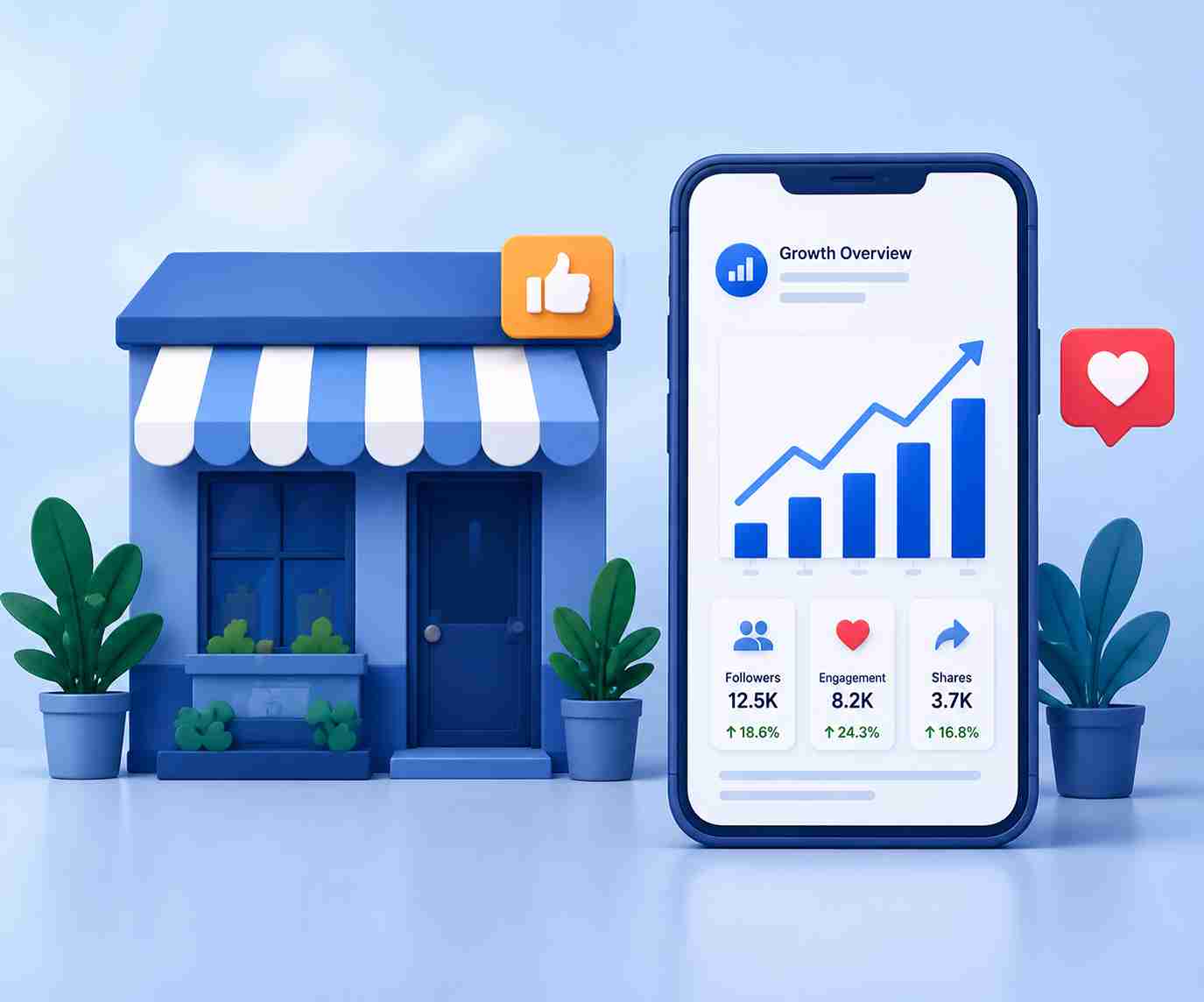
The impact of social media on marketing strategy has never been greater. Platforms like Instagram, LinkedIn, YouTube, and TikTok now function less like broadcast channels and more like search engines. Buyers research products, read reviews, watch tutorials, and make purchase decisions all without leaving a single app.
For small businesses, this is a structural advantage. Unlike a national brand managing dozens of channels, a small business can build a genuine, focused presence on two or three platforms and outperform competitors who spread themselves too thin.
The key shift in 2026 is this: social media rewards specificity. Generic content gets buried. Content that speaks to a precise target audience, with a clear voice and consistent value, builds compounding returns over time.
Step 1: Set Clear, Time-Bound Social Media Goals
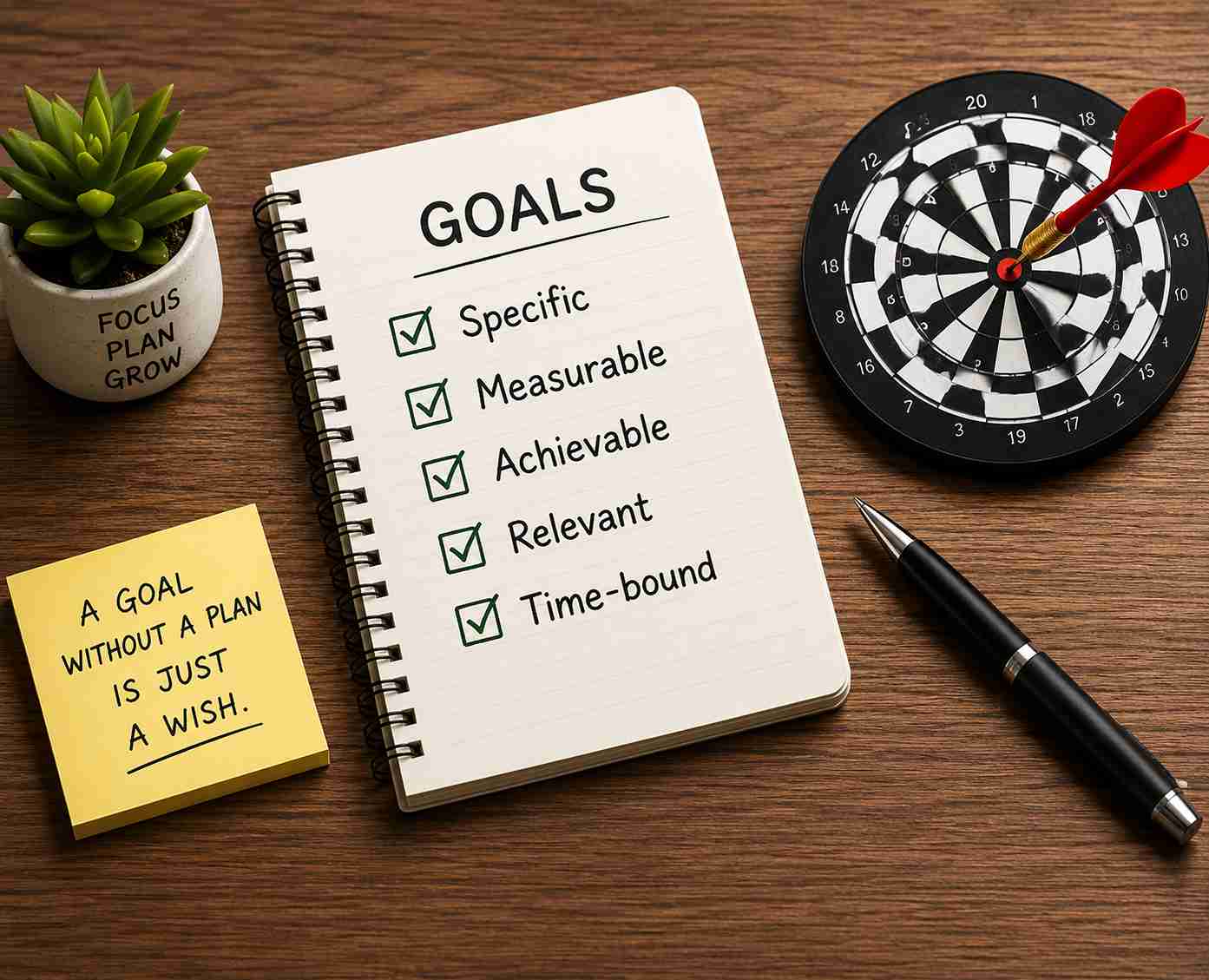 Every effective strategy begins with a decision about what success looks like. Vague intentions "we want more followers" or "we should post more" don't translate into results. You need to set goals that are specific, measurable, and time-bound.
Define what you're actually trying to achieve
Common social media goals for small businesses include:
Increasing brand awareness among a defined local or niche audience
Driving website traffic to product pages or service landing pages
Generating qualified leads through lead magnets or DMs
Building a community around a product category or lifestyle
Improving customer retention through engagement and updates
A useful frame: decide whether each goal is a 30-day sprint or a long-term compounding play. Awareness takes months. A promotional campaign can drive conversions in days. Knowing the difference changes how you allocate effort.
Step 2: Know Your Target Audience Deeply
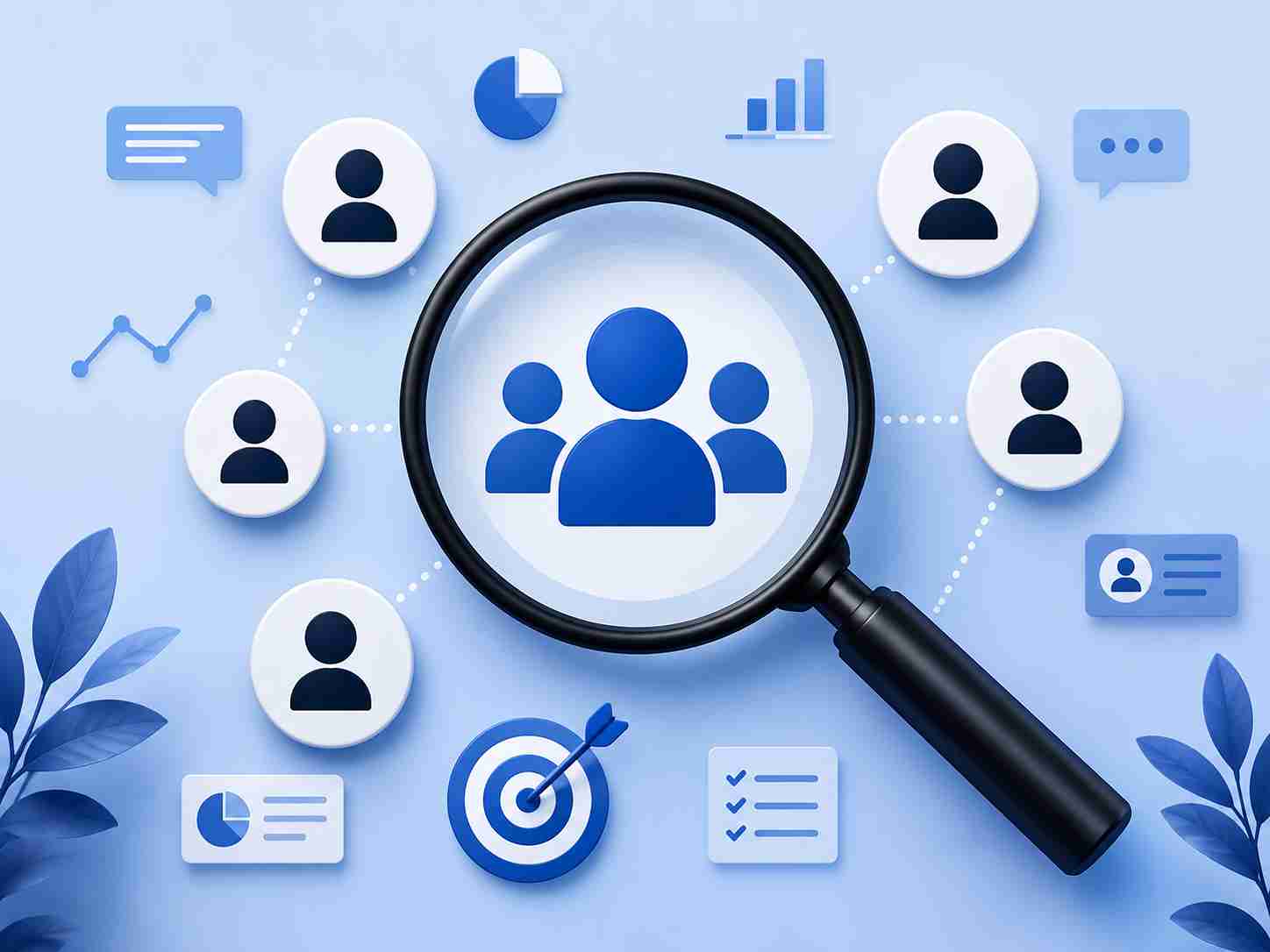 The most common reason small businesses fail on social media isn't bad content it's content aimed at no one in particular. The best social media marketing strategies are built around a crystal-clear picture of the target audience.
Go beyond demographics. Research:
What problems your audience actively complains about in comments and forums
What types of content they save, share, or comment on
Which social media channels they use habitually versus occasionally
What language they use to describe their challenges (this belongs in your captions)
Practical tip: Spend 30 minutes per week reading comments on competitor posts and relevant hashtags. This real-time research is more valuable than any paid audience report.
Step 3: Choose the Right Social Media Channels
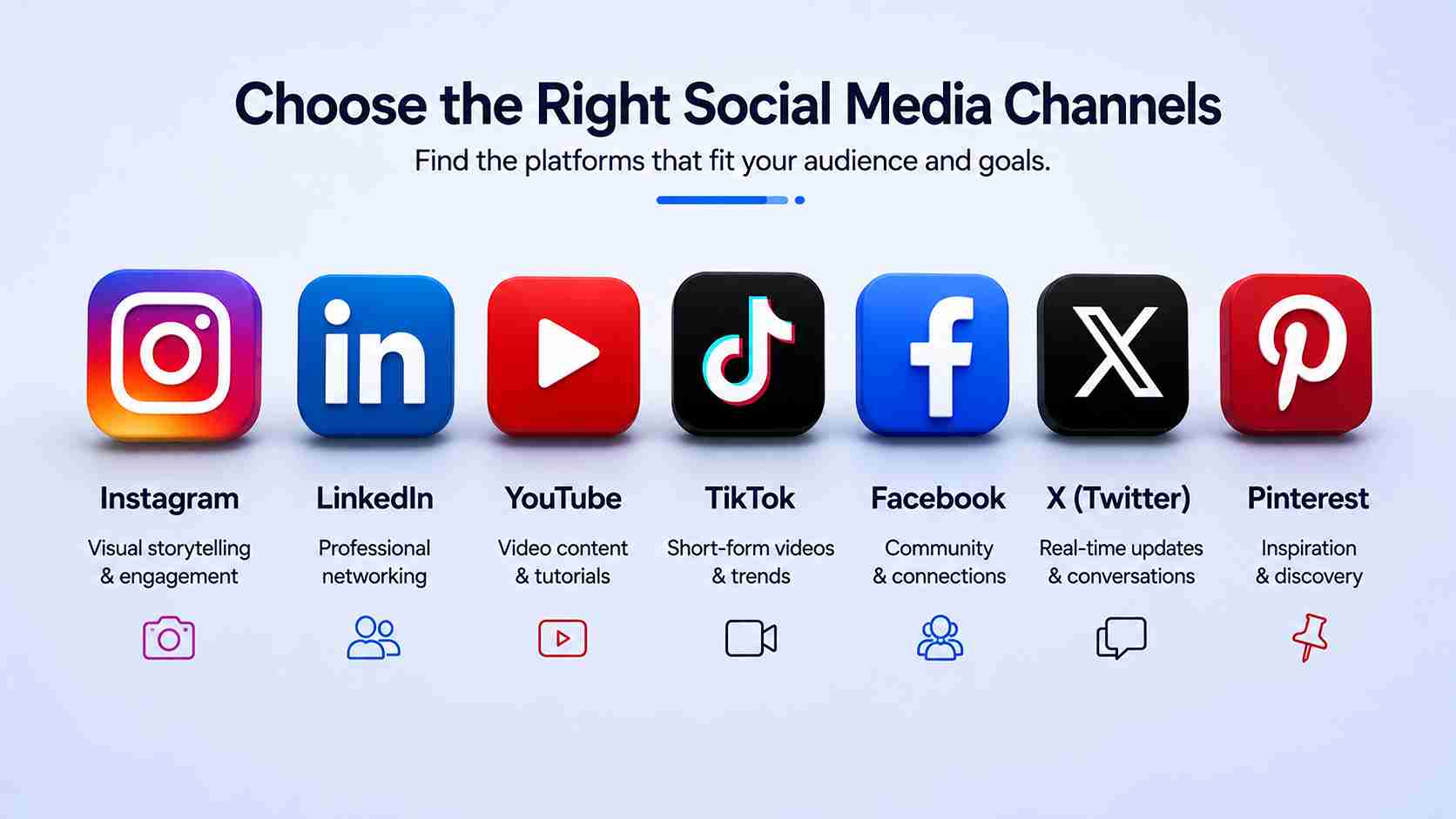 One of the most important decisions a small business makes is where to show up. Spreading across every platform dilutes effort and produces mediocre results everywhere. The best approach: own two platforms completely before expanding.
Platform Selection Guide for 2026
Platform | Best For | Content Format |
Products, lifestyle, fashion, food, fitness | Reels, carousels, Stories | |
B2B, consulting, professional services | Articles, short posts, video | |
YouTube | Education, tutorials, long-form brand storytelling | Long-form and Shorts |
TikTok | Consumer products, entertainment, Gen Z audiences | Short-form video |
Local businesses, community groups, paid ads | Posts, events, groups | |
Home décor, recipes, fashion, DIY, eCommerce | Static pins, idea pins | |
X (Twitter) | News, commentary, SaaS, thought leadership | Short posts, threads |
The platforms you choose should follow your target audience, not trends. If your buyers are 45+ local homeowners, TikTok is not the priority. If you're a SaaS founder, LinkedIn and X may outperform Instagram entirely.
Step 4: Build a Content Strategy That Earns Attention
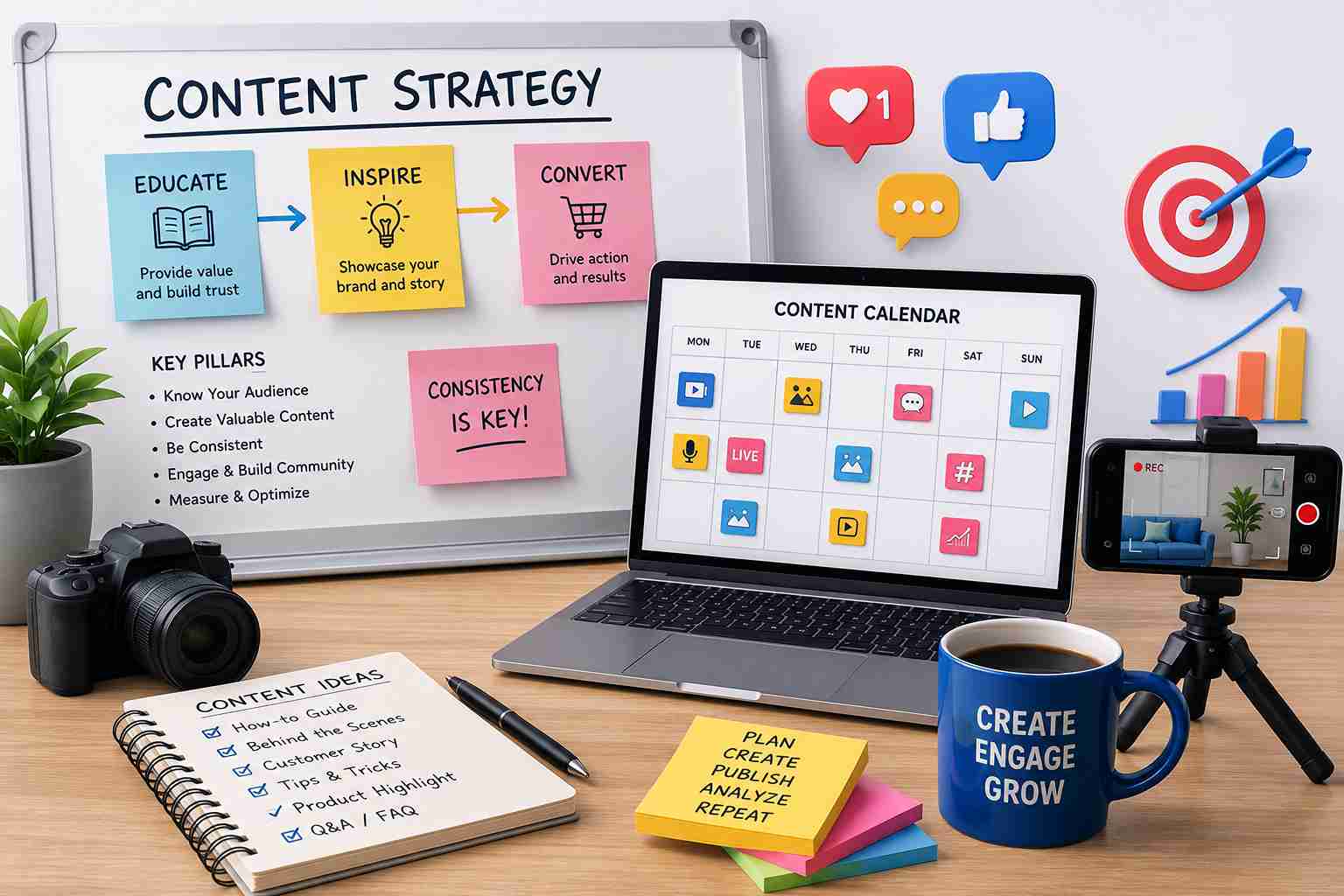 Creating content without a strategy is the social media equivalent of opening a shop with no sign. Your content strategy should answer three questions: what you'll create, why it matters to your audience, and how often you'll publish it.
The Three Types of Content That Work in 2026
1. Educational content How-to guides, explainer posts, myth-busting threads. This type of content builds trust, drives website traffic from search, and positions you as an authority. It's the foundation of a long-term social media presence.
2. Social proof and user-generated content Customer reviews, testimonials, before-and-after posts, photos tagged by real customers. User-generated content (UGC) consistently outperforms branded content in conversion buyers trust other buyers. Actively encourage customers to share their experiences, and reshare the best ones with credit.
3. Personality and behind-the-scenes content. People buy from people. Showing who runs the business, how products are made, or what your team looks like creates an emotional connection that no ad can replicate. This content also helps increasing brand awareness organically through shares and saves.
Posting Frequency: What Actually Works
Consistency matters more than volume. A reliable schedule trains your audience and satisfies platform algorithms.
Platform | Recommended Frequency |
4–6 posts/week (mix of Reels and carousels) | |
3–4 posts/week | |
YouTube | 1–2 videos/week |
TikTok | 5–7 short videos/week |
3–5 posts/week |
Use a content calendar to plan 2–3 weeks ahead. Batch-create content on one day per week to maintain consistency without daily pressure.
Step 5: Prioritize Video Marketing
If there is one format that defines the best social media marketing strategies in 2026, it is video. Short-form video Reels, TikToks, YouTube Shorts receives disproportionately higher reach than static posts across every major platform.
Types of video content that drive results:
Product demonstrations showing real use cases, not just features
Customer success stories told on camera or via screen recording
Quick tips and tutorials (60–90 seconds performs exceptionally well)
FAQ responses addressing real questions from your audience
Day-in-the-life and process videos that build authentic connection
You don't need a production studio. A smartphone, decent lighting, and a consistent background are enough to produce compelling video content. Authenticity consistently outperforms polish on social media.
Step 6: Actively Engage Don't Just Broadcast
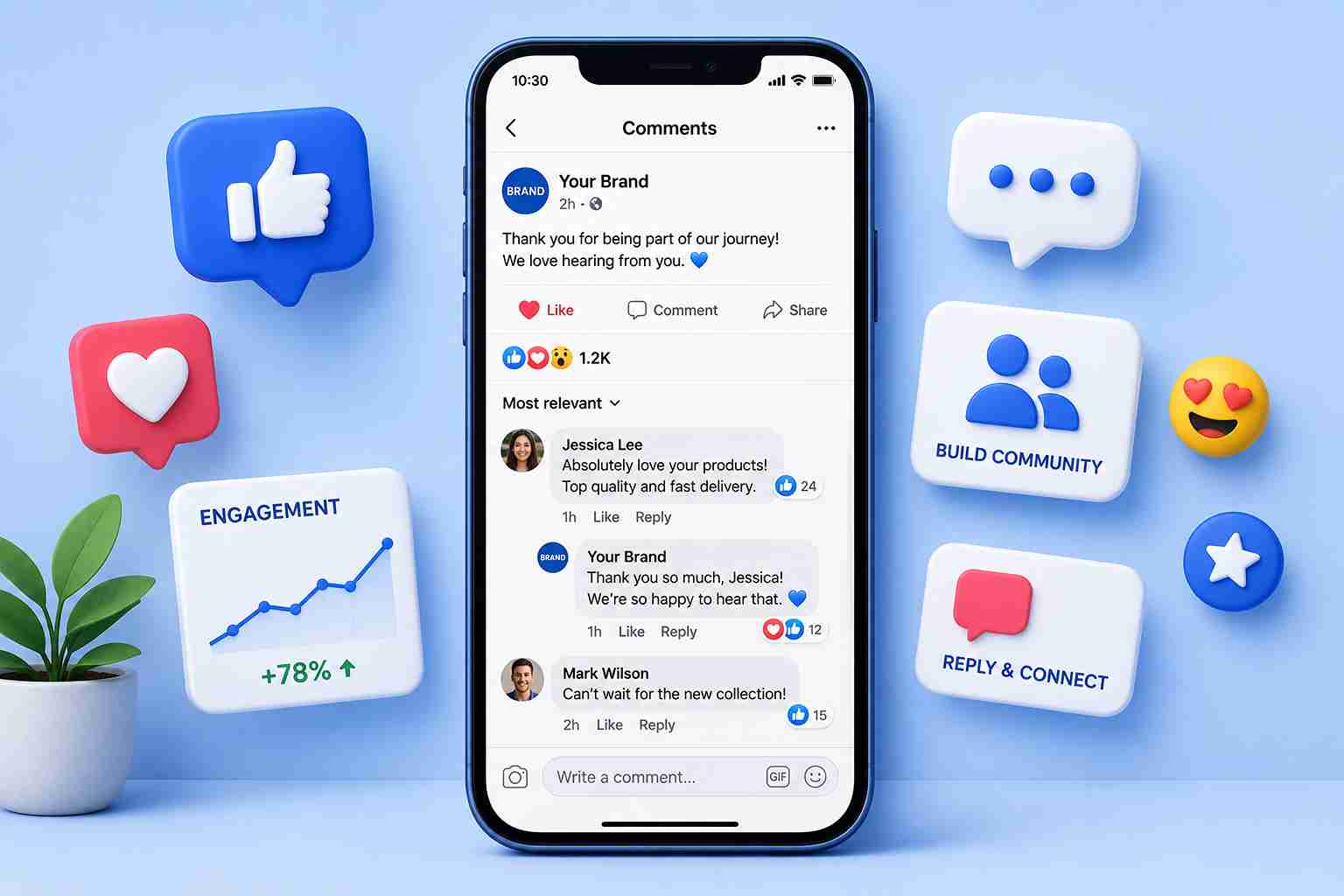 One of the most overlooked social media marketing strategies is genuine two-way engagement. Algorithms on every major platform reward accounts that generate meaningful interactions not just posts that receive passive likes.
Make it a non-negotiable habit to:
Respond to comments and messages within 24 hours (ideally within a few hours)
Ask questions in captions that invite real responses
Comment thoughtfully on posts in your niche or community
Use polls, quizzes, and question stickers in Stories
Acknowledge and share user-generated content publicly
This engagement behavior signals to platforms that your account produces real conversations. Over time, it dramatically expands organic reach without spending a dollar on ads.
Step 7: Use Paid Social Advertising Strategically
Organic reach is powerful, but limited. A small, well-targeted advertising budget can accelerate the impact of social media on marketing strategy outcomes significantly.
 When to use paid social ads:
To amplify high-performing organic content (boosting a post that already resonates)
To build a warm retargeting audience from website visitors
To promote time-sensitive offers to a local or niche audience
To test new audiences before committing to organic content for them
For small businesses, Meta (Facebook + Instagram) ads typically offer the lowest cost per result for consumer-facing products. LinkedIn ads work better for B2B lead generation despite higher CPCs. Even a budget of $5–10/day, run consistently with proper targeting, can generate measurable return on investment (ROI).
Step 8: Leverage Influencer and Creator Partnerships
Influencer marketing in 2026 is not about celebrity endorsements it's about credibility. For small businesses, micro-influencers (5,000–100,000 followers) and nano-influencers (1,000–5,000 followers) in niche categories regularly outperform larger accounts in engagement and conversion.
Why? Because their audiences are specific, trust is high, and the cost is accessible.
When evaluating potential creator partnerships, prioritize:
Authentic alignment with your product or service category
Engagement rate over follower count (above 3% is strong)
Audience overlap with your target audience
Content quality that matches or elevates your brand
Start with product gifting or small paid collaborations. Track results using unique discount codes or UTM links to measure real return on investment.
Step 9: Optimize Every Profile for Discovery
Your social media profiles are the landing pages of your social media presence. A potential customer who clicks to your profile should immediately understand who you are, what you offer, and why they should care.
Profile optimization checklist:
Clear, high-resolution logo or professional headshot
Consistent branding and color palette across all social media channels
Keyword-rich bio that includes your niche or location
Link to your website or a link-in-bio page
Contact information visible (for local businesses especially)
Pinned posts or highlights that showcase your best content
Consistent username across platforms
Well-optimized profiles rank in both platform search and Google. Treat them as a permanent asset, not an afterthought.
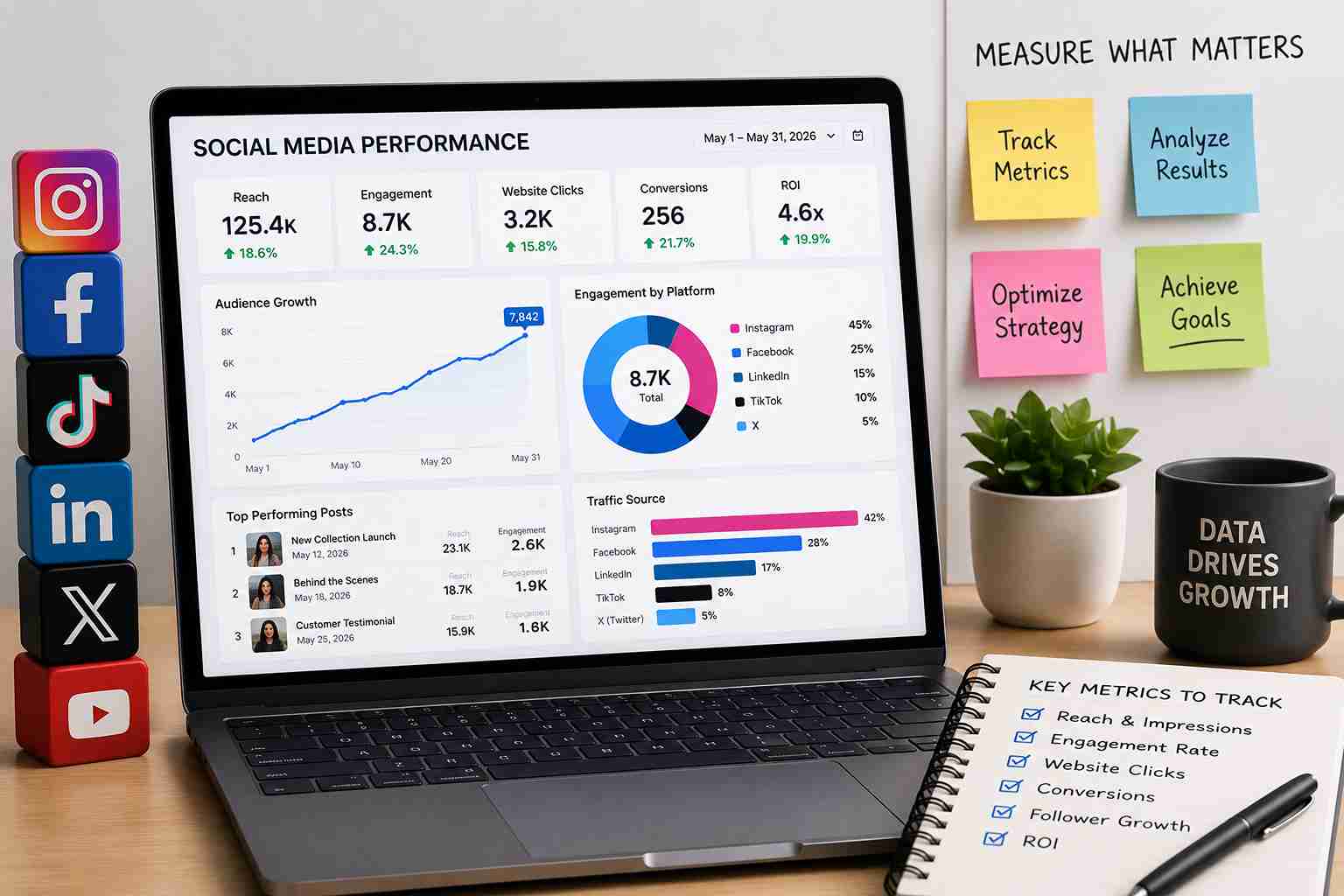
Step 10: Track What Matters And Cut What Doesn't The best social media marketing strategies evolve based on data. Most small businesses either track too much (and get overwhelmed) or track nothing (and repeat mistakes).
Focus on these core metrics:
Metric | What It Tells You |
Reach | How many unique accounts saw your content |
Engagement rate | Quality of content relative to audience size |
Click-through rate | How effectively content drives website traffic |
Follower growth rate | Platform momentum |
Conversion rate | How well social traffic converts to leads or sales |
Cost per result | Efficiency of paid campaigns |
Review these metrics monthly. Look for patterns which content formats perform best, which topics resonate, which posting times generate more engagement. Adjust your content strategy based on what the data actually shows, not what feels right.
AI Tools and Automation for Social Media Managers in 2026
AI-powered tools have become essential infrastructure for social media managers at small businesses. They don't replace creativity but they dramatically reduce the time required to execute a consistent strategy.
Practical AI applications:
Content ideation: Tools like Claude, ChatGPT, or Perplexity can generate caption drafts, brainstorm post ideas, or repurpose a blog post into 10 social media posts
Image creation: AI image generators produce visual content at a fraction of traditional design costs
Scheduling and optimization: Tools like Buffer, Later, and Sprout Social now include AI-powered posting time recommendations
Analytics summaries: AI can interpret performance reports and surface actionable insights faster than manual review
The competitive advantage in 2026 belongs to small businesses that use AI to move faster and more consistently not businesses that spend more.
Local Social Media Marketing: The Underused Advantage
For location-based businesses, local social media marketing is one of the highest-ROI strategies available. Large brands cannot replicate the local credibility and community trust that a neighborhood business can build.
Effective local strategies include:
Tagging your location consistently in posts and Stories
Participating in local hashtags and community groups
Collaborating with complementary local businesses on joint posts or events
Sharing content that reflects local culture, events, or news
Responding publicly to Google and Facebook reviews
Local customers who discover and trust your brand on social media convert at higher rates than cold traffic from any other channel.
Common Mistakes That Undermine Small Business Social Media
Understanding the best social media marketing strategies also means knowing what to avoid.
Posting without a strategy: Random content produces random results. Every post should serve a defined social media goal.
Buying followers: Fake follower counts damage engagement rates, mislead your analytics, and can get accounts penalized. Growth built through real engagement compounds. Fake growth collapses.
Ignoring comments and messages: Failing to respond to comments and messages signals to your audience and the algorithm that you don't value engagement.
Inconsistent branding: Switching visual styles, tones, or colors confuses audiences and weakens brand recognition.
Focusing only on promotional content: The 80/20 rule applies here. Eighty percent of your content should educate, entertain, or inspire. Twenty percent can promote.
FAQ: Social Media Marketing for Small Businesses
What are the best social media marketing strategies for a business with no budget?
Organic-first strategies work well even with no paid budget. Focus on creating content consistently, responding to every comment, using relevant hashtags, and building community. User-generated content and local engagement are especially high-value, zero-cost strategies.
How many social media platforms should a small business use?
Start with one or two platforms where your target audience is most active. Do them well before expanding. Two excellent, consistent presences outperform six mediocre ones every time.
How long does it take to see results from social media marketing?
Expect to invest at least 3–6 months before seeing meaningful organic growth. Paid campaigns can show results faster (within weeks), but sustainable social media presence is a long-term investment. Set realistic expectations and track progress monthly, not daily.
What type of content gets the most engagement on social media in 2026?
Short-form video consistently outperforms all other formats across most platforms. Within video, educational content, relatable humor, and behind-the-scenes footage tend to generate the highest engagement rates. Carousels (multi-image posts) also perform strongly on Instagram and LinkedIn.
How does social media marketing affect SEO?
Social media does not directly improve Google rankings, but it can support your SEO efforts in several ways. Strong social media presence drives website traffic, increases brand searches, earns backlinks when content is shared, and builds the brand authority signals that search engines use to evaluate credibility.
Should small businesses use influencer marketing?
Yes, especially micro and nano influencers in relevant niches. They offer lower cost, higher engagement, and stronger audience trust than macro influencers. Start with gifting or small budgets and track results before scaling.
What's the difference between organic and paid social media strategy?
Organic social media builds audience and trust over time through consistent content and engagement no direct ad spend required. Paid social media uses advertising budgets to reach new audiences, retarget visitors, or accelerate the impact of top-performing organic content. The best strategies combine both.
Conclusion
The best social media marketing strategies for small businesses in 2026 are not secrets they are commitments. A commitment to knowing your target audience well, creating content that genuinely serves them, showing up consistently across the right social media channels, engaging in real conversation, and measuring what actually drives return on investment.
Social media is not a quick fix. But for small businesses willing to build patiently and strategically, it is one of the most powerful, cost-effective, and compounding growth channels available.
Google Ads vs Facebook Ads: Which Is Better for Your Business in 2026?